I'm Either Hunting Ducks or Playing Golf: A Designer Review
As someone who spends more time staring at hoop frames and thread bobbins than I do sleeping, I have a specific lens through which I view every new machine embroidery design that hits my desk. When I first opened the file for I'm Either Hunting Ducks or Playing Golf, I wasn't just looking for a cute graphic; I was looking for a viable asset for my craft business. This design falls squarely into the Crafts category, but its execution determines whether it becomes a bestseller on Etsy or a pile of tangled thread in your trash bin.
The First Impression: Mood and Visual Weight
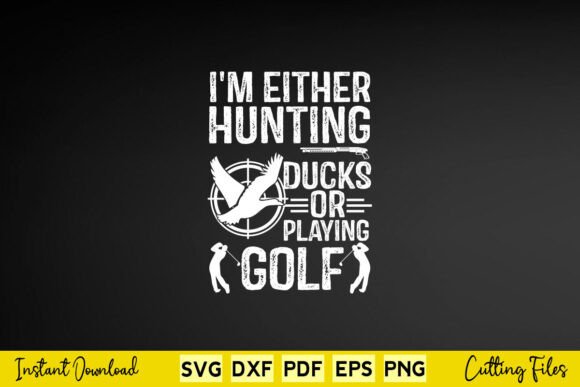
At a glance, I'm Either Hunting Ducks or Playing Golf captures a very specific demographic vibe. It's rustic, outdoorsy, and slightly humorous. The layout balances two distinct icons—a duck and a golf club—framed by bold typography. For an embroidery project, this duality is interesting. The challenge lies in ensuring neither element overpowers the other once translated from digital pixels to physical thread.
The visual personality feels perfect for a fall harvest collection or a Father's Day lineup. However, as a professional reviewer, my immediate concern is the negative space between the text and the graphics. In Graphics intended for print, white space is fine. In embroidery, too much open space can make a design look "empty" if you aren't careful with your fill stitch settings. The font choice appears sturdy, which is excellent for readability, but I always advise checking how the serifs hold up when stitched at smaller scales.
Real-World Application: From File to Fabric
Let's talk about a real scenario. Imagine you are preparing a custom embroidered sweatshirt for a client who loves both the range and the course. You load the embroidery file onto your machine, selecting a heavy cotton fleece for the garment. As the needle starts dancing, you notice the stitch density in the duck's wing area. If the design is too dense here, the fabric might pucker, ruining the soft hand-feel of the sweatshirt embroidery.
This is where practical judgment comes in. I'm Either Hunting Ducks or Playing Golf works beautifully on structured items like tote bags or denim jackets where the fabric can support the weight of the thread. On a tote bag design, the canvas texture actually helps hide minor imperfections in the running stitch outlines. However, if you attempt this on a thin baby onesie, you will need a heavy-duty stabilizer to prevent the fabric from warping under the tension of the design.
For the Etsy seller or small shop owner, this design offers great versatility. It fits perfectly into the "personalized gift" niche. Picture a holiday embroidery project where you add a family name below the main text. The design acts as a conversation starter, making the finished product feel bespoke rather than mass-produced. Whether you are creating an embroidered patch for a cap or stitching directly onto a pillow cover, the theme resonates well with outdoor enthusiasts.
Navigating the Pitfalls: Where Caution is Key
While I love the concept, not every surface is suitable for I'm Either Hunting Ducks or Playing Golf. Here are the areas where I would exercise extreme caution:
- Small Hoop Sizes: If you try to shrink this design to fit a 4x4 inch hoop, the lettering may become illegible. The details in the duck's feathers could turn into a solid blob of thread rather than defined shapes.
- Textured Fabrics: Highly textured knits or bouclé fabrics can interfere with the satin stitch edges, causing the design to look fuzzy. Stick to smoother surfaces for crisp results.
- Curved Surfaces: Embroidering this on a baseball cap requires significant digitization adjustment. The curve of the brim can distort the straight lines of the text unless the design was specifically optimized for caps.
- Dark Fabrics: While the design looks great in black, using light thread colors on dark garments requires a backing layer. Without it, the thread colors won't pop, and the design will lose its impact.
Impact on Brand Value and Customer Trust
When you sell handmade products, your reputation hinges on quality. Using a design like I'm Either Hunting Ducks or Playing Golf correctly elevates your brand consistency. Customers buying from a boutique expect a polished look. If the stitching is clean, the design assets are well-placed, and the fabric choice complements the theme, you build trust.
Conversely, a poorly executed version of this design can hurt buyer engagement. If the text is crooked or the fill stitches are loose, the item looks cheap. Always create a printable mockup before committing to expensive materials. Test the design on scrap fabric first to check the hoop size requirements and ensure the commercial embroidery standards you set for yourself are met.
Practical Notes for the Digital Product Seller
If you are planning to sell this as a digital embroidery file or use it for commercial projects, there are a few technical checks you must perform. First, verify the licensing. Just because it is a digital product available for download does not mean you have unlimited rights to resell the finished goods. Check the terms regarding commercial embroidery usage.
Secondly, test the design in black and white mockups. Sometimes, color combinations that look good on screen clash when stitched. Ensure the contrast between the text and the background elements remains high. Finally, inspect the small details. Does the golf ball have enough definition? Is the duck's beak clear? These tiny elements often get lost in translation from SVG to stitch data.
Final Verdict: A Versatile Asset for the Right Maker
I'm Either Hunting Ducks or Playing Golf is a strong contender for any crafter's library, provided you respect its limitations. It is not a one-size-fits-all solution, but for the right project, it shines. Whether you are decorating a kitchen towel for a hunting lodge, a hoodie for a country club member, or a unique holiday gift for a dad who does it all, this design has potential.
My advice? Don't rush. Take the time to select the right stabilizer, choose thread colors that enhance the mood, and test on a sample piece. When done right, this design transforms a simple garment into a statement piece that speaks volumes about the wearer's passions. For the serious craft business owner, understanding these nuances is what separates a hobbyist from a professional designer.