Yoga SVG Design, Yogalife: A Designer's Review
As a designer who has spent years navigating the intersection of digital graphics and physical thread, I approach every new asset with a critical eye. When I first opened the Yoga SVG Design, Yogalife, my immediate goal was to determine if this piece of Graphics could translate from a high-resolution screen into a tangible, high-quality machine embroidery design. The promise of premium quality is common in our industry, but the reality often lies in how well the lines hold up under tension and how the shapes interact with fabric texture.
First Impressions: Mood and Visual Weight
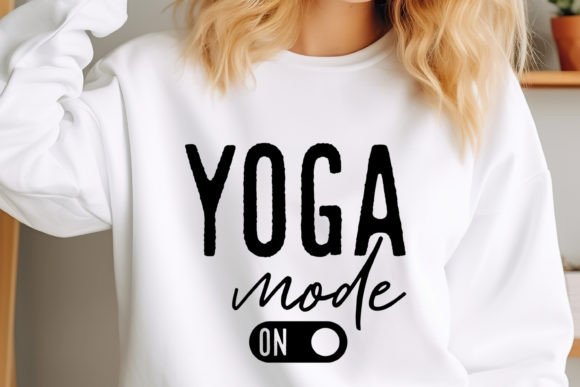
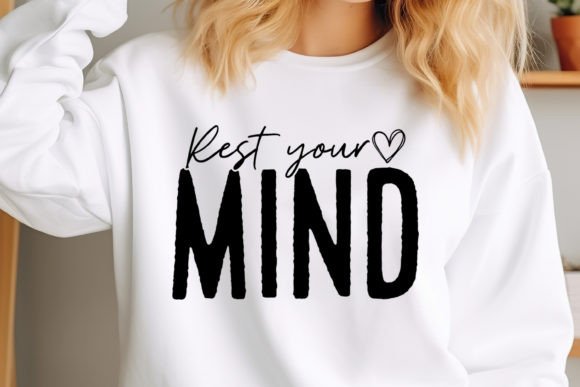
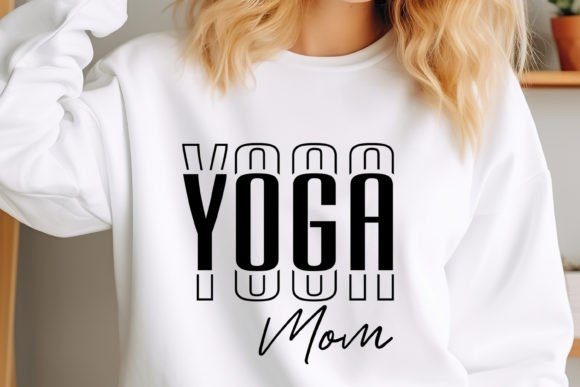
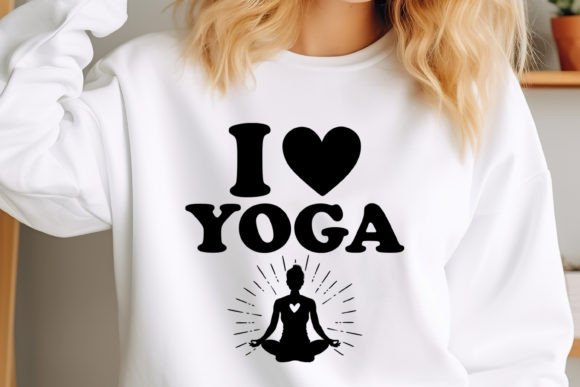
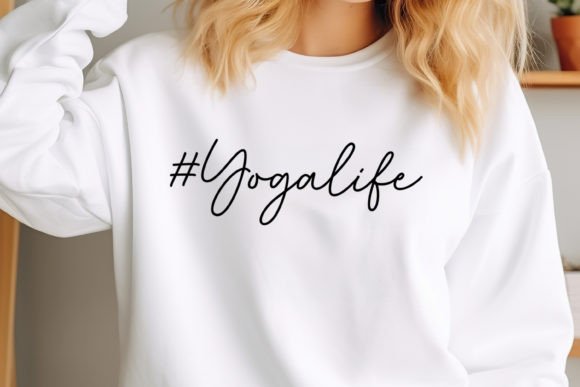
The initial view of Yoga SVG Design, Yogalife presents a clean, modern aesthetic that immediately suggests movement and balance. The layout feels intentional, avoiding the cluttered details that often plague yoga-themed art. For an embroidery project, simplicity is frequently the key to success. Complex gradients or microscopic details can turn into muddy blobs once stitched, but this design appears to rely on bold outlines and distinct negative space. This is excellent news for anyone planning to use it as an applique design or a standard fill stitch pattern.
The visual personality here is serene yet strong. It does not scream; it whispers confidence. This makes it particularly versatile for the Crafts category, where the end product needs to feel curated rather than mass-produced. Whether you are a seasoned Etsy seller or a hobbyist making personalized gifts, the mood set by this graphic aligns perfectly with wellness-focused merchandise. It feels like a design that belongs on a soft, organic cotton tote bag or a cozy sweatshirt, rather than something aggressive meant for heavy industrial wear.
Testing the Waters: A Real-World Scenario
To truly evaluate this asset, I imagined a specific scenario: preparing a custom embroidered tote bag for a local boutique owner who specializes in eco-friendly goods. She wanted something that would appeal to her yoga-instructor clientele without looking generic. I loaded the Yoga SVG Design, Yogalife into my digitizing software to see how the vector paths would convert into stitch data.
In this context, the design shines. The lines are smooth enough that they should require minimal cleanup before conversion. If I were to map this out for a medium-sized hoop, the flow of the design suggests it would work beautifully with a combination of satin stitch for the outlines and a tight fill stitch for the larger areas. The transparency mentioned in the file description ensures that no unwanted white borders will appear when placed against colored fabrics, a crucial detail for maintaining professional brand consistency.
However, the real test comes when considering the final application. On a canvas tote bag, the slight texture of the fabric might soften the edges of the design slightly, which actually adds to its handmade charm. But if I were attempting this on a thin jersey knit for a t-shirt, I would need to be extremely careful with the stitch density. Too much density could cause the fabric to pucker, ruining the drape of the garment. This is where the reviewer in me pauses to advise caution: always check the density settings before committing to expensive materials.
Navigating Fabric and Hoop Challenges
While Yoga SVG Design, Yogalife looks promising, there are specific situations where it requires extra attention. Embroidery is unforgiving, and a beautiful digital embroidery file can fail if the wrong substrate is chosen.
- Small Hoop Sizes: If you are trying to fit this design into a 4x4 inch hoop for a cap or a baby item, you may lose some of the subtle curves that define the yoga pose. The design likely benefits from a bit more room to breathe. Reducing it too much could result in a loss of definition, turning elegant lines into jagged threads.
- Textured and Stretchy Fabrics: For items like baby embroidery on stretchy onesies or kitchen towels with a loop pile, the stabilizer becomes your best friend. Without a proper cut-away or tear-away stabilizer, the fabric may shift during stitching, distorting the graceful lines of the yoga figure.
- Dark Fabrics: While the transparent background helps, stitching light colors directly onto dark fabrics can sometimes look washed out unless you add an underlay. For a sweatshirt embroidery project on charcoal grey, consider using a mesh backing to ensure the thread colors pop with vibrancy.
- Detailed Corners: Any design with sharp angles or tiny intersections needs scrutiny. In Yoga SVG Design, Yogalife, the points of the hands or feet in the pose are critical. If these are too small, the needle might skip or the thread might break. Inspect these areas closely in your software before running the machine.
Impact on Product Value and Customer Trust
For the small business owners and creative entrepreneurs reading this, the choice of design directly impacts perceived value. A well-executed finished product signals quality. When a customer holds a tote bag with a crisp, well-stitched yoga design, they trust the maker. Conversely, a messy, puckered patch can damage a reputation instantly.
Using Yoga SVG Design, Yogalife correctly allows you to create a cohesive line of products. Imagine a collection of holiday gifts featuring this design on mugs (via heat transfer), pillows, and apparel. The consistency builds recognition. However, remember that the design is just one part of the equation. Your choice of thread colors, the quality of the backing, and the precision of your machine all contribute to the final result.
This design also offers great potential for printable mockups. Before investing in production runs, creating high-quality digital previews helps you visualize how the design sits on different products. This step is vital for Etsy sellers who need to attract buyers through compelling visuals. The clean nature of the SVG format makes it easy to layer over various textures in Photoshop or Illustrator, giving you a realistic idea of the handmade presentation.
Practical Notes for the Embroidery Designer
If you decide to move forward with Yoga SVG Design, Yogalife, keep these practical steps in mind to ensure success:
- Test on Scrap Fabric: Never skip this step. Run the design on a scrap piece of the actual fabric you plan to use. Check for pulling, skipping, or color bleeding.
- Review Stitch Density: Adjust the density in your software if the design looks too heavy or too sparse. You want the thread to lay flat without showing the fabric underneath too much, but also without bunching up.
- Confirm Licensing: As with any design assets, verify the commercial license terms. Ensure you are allowed to sell the finished custom apparel or patches before listing them in your shop.
- Check File Formats: The package includes Eps, Png, and Svg files at 300 dpi. Ensure your embroidery software can read the vector formats correctly to maintain the highest quality during conversion.
- Light vs. Dark Backgrounds: Test the design in black and white mockups to see how the contrast works. Sometimes a design that looks good in color fails on a monochromatic background due to lack of definition.
Ultimately, Yoga SVG Design, Yogalife is a solid addition to a designer's toolkit, provided it is used with intention and technical care. It bridges the gap between digital artistry and tactile craftsmanship, offering a chance to create meaningful, high-quality goods for the wellness market. Whether you are crafting a single personalized gift or launching a full line of commercial embroidery products, the success lies in how well you adapt the design to your specific materials and equipment. With the right preparation, this graphic can become a standout feature in your portfolio.