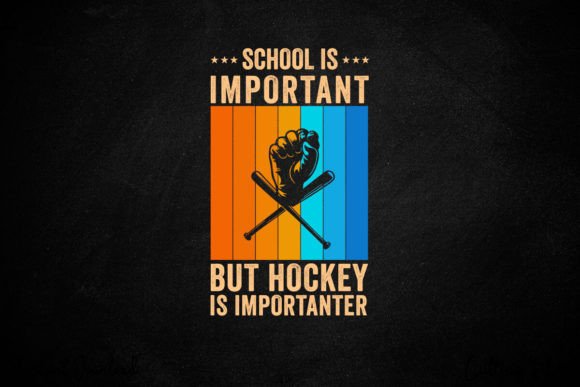
School is Important but Hockey is Import
As a designer who has spent years evaluating machine embroidery designs for both personal projects and client work, I approach every new file with a critical eye. The latest asset on my desk is titled School is Important but Hockey is Import. At first glance, this piece falls squarely into the Graphics category, offering a humorous take on the classic parent-child dynamic where sports often overshadow academics. However, before I recommend this for any serious production run or boutique listing, I need to understand how it translates from a digital screen to a stitched reality.
The First Impression: Humor Meets Texture
When I open the preview of School is Important but Hockey is Import, the mood is immediately lighthearted and relatable. It captures that specific frustration and affection parents feel during hockey season. Visually, the layout appears balanced, which is crucial for custom apparel. The typography seems bold enough to read from a distance, a necessary trait for tote bag design or sweatshirts worn in crowded arenas. However, the true test lies in how the shapes interact with fabric texture. In the world of Crafts, a design that looks crisp on a monitor can sometimes get lost in the weave of a heavy cotton jersey if the stitch density isn't optimized.
This design feels like it belongs on a sweatshirt embroidery project intended for a family reunion or a team appreciation gift. The visual personality is playful, suggesting that while the message is about school, the execution should be fun. For an Etsy seller looking to expand their winter collection, this could be a strong contender for holiday gifts, provided the stitching holds up under scrutiny.
Real-World Application: From Hoop to Finished Product
Imagine you are preparing a custom order for a local hockey league's "Parents Night Out" event. You decide to use School is Important but Hockey is Import on a high-quality fleece hoodie. As you load the embroidery file into your machine, you must consider the placement. Center chest is standard, but for a statement piece like this, a full-back application might offer better visibility. The design needs to breathe; if the lettering is too tight, the fill stitch might pull the fabric, causing puckering that ruins the professional look of your handmade product.
I also envision this as an embroidered patch applied to a denim jacket or a canvas backpack. In this scenario, the durability of the running stitch outlining the text becomes vital. If the edges fray after a few washes, the customer trust you've built will erode quickly. For baby embroidery items, such as a onesie for a toddler whose older sibling plays hockey, the softness of the thread and the lack of scratchy backing are paramount. This design works well there, but only if the hoop size allows for enough stabilizer support to prevent the delicate fabric from distorting.
For the small shop owner creating commercial embroidery merchandise, the versatility of School is Important but Hockey is Import is its greatest asset. It can be adapted for kitchen towels, pillow covers, or even aprons for the team mom. The key is ensuring the thread colors pop against the background. A white design on a navy blue hoodie offers excellent contrast, whereas a light grey version on a similar tone would fail to communicate the humor effectively.
Navigating Fabric Challenges and Design Limitations
Not every fabric is suitable for every design. When working with School is Important but Hockey is Import, you must exercise caution with stretchy materials like spandex blends or thin jerseys. These fabrics can shift during stitching, leading to misaligned letters that ruin the joke. Always use a tear-away or cut-away stabilizer appropriate for the weight of the material. Similarly, textured fabrics like corduroy or thick wool can obscure fine details. If the design includes small decorative elements, they may get swallowed by the fabric pile, making the text hard to read.
Curved surfaces present another challenge. If you plan to embroider this on a baseball cap, ensure the digitization accounts for the curvature. Flat files often result in distorted text when forced onto a dome shape. Additionally, dark fabrics require careful color selection. Without proper underlay stitches, the design might look muddy or translucent. Always test your digital embroidery file on a scrap piece of the actual fabric you intend to use. This simple step can save hours of rework and wasted materials.
Design Integrity and Commercial Viability
The success of School is Important but Hockey is Import in a commercial setting depends heavily on its clarity and professionalism. Customers buying from a craft business expect precision. If the satin stitch columns are uneven or the fill areas have gaps, the finished product will appear cheap. This directly impacts your brand consistency and buyer engagement. A well-executed design elevates the perceived value of your goods, allowing you to charge a premium for personalized items.
Furthermore, consider the longevity of the trend. While hockey is perennially popular, the specific phrasing of this design targets a niche audience. It is perfect for seasonal sales or targeted marketing campaigns around the start of the hockey season. For printable mockups used in your online store, ensure the images accurately represent how the design sits on the garment. Misleading visuals can lead to returns and negative reviews, damaging your reputation as a small shop product provider.
Practical Designer Notes for Best Results
- Test First: Always run a test stitch on scrap fabric to check for tension issues and alignment.
- Check Contrast: Verify that the thread colors provide sufficient contrast against your chosen fabric background.
- Review Density: Inspect the stitch density to ensure it is not too heavy for lightweight fabrics or too sparse for large areas.
- Confirm Hoop Size: Make sure your hoop size accommodates the full width of the design without cropping essential elements.
- Inspect Details: Look closely at small corners and curves to ensure they stitch cleanly without jagged edges.
- Mockup Testing: Create black and white printable mockups to visualize the design on different products before committing to production.
- Stabilizer Selection: Use the correct type of stabilizer based on the fabric weight and stretch.
- Licensing Check: Confirm the licensing terms before selling finished items or using the design assets for commercial purposes.
In conclusion, School is Important but Hockey is Import is a charming and functional design that resonates with a specific demographic. With careful attention to fabric choice, stabilizer usage, and stitch quality, it can become a standout item in your handmade product line. Whether you are a hobbyist making gifts for friends or a professional decorator fulfilling bulk orders, the key is to treat the embroidery project with the same respect you would give to any other high-value asset. By following these practical guidelines, you ensure that the final result is not just funny, but beautifully crafted and ready for the real world.