Dear Algebra Please Stop Asking Us to Review
As a designer who has spent years translating digital files into tangible thread and fabric, I approach every new machine embroidery design with a mix of curiosity and skepticism. The latest addition to my library, Dear Algebra Please Stop Asking Us to, immediately caught my eye for its playful take on academic frustration. It is a Graphics file that promises humor, but in the world of Crafts, humor must survive the translation from screen to stitch. Before I commit this design to a client project or list it as a finished item in my shop, I need to understand exactly how it performs under real-world conditions.
The Visual Personality of the Design
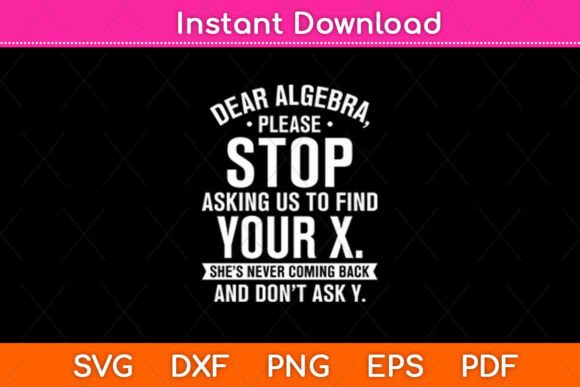
At first glance, Dear Algebra Please Stop Asking Us to exudes a relatable, slightly rebellious energy. The typography is the star here, designed to mimic the scrawl of a stressed student or the bold declaration of a teacher done in with the curriculum. The layout is compact yet legible, which is crucial when you are working with limited hoop space. For an embroidery file intended for apparel, the shape needs to be balanced so it doesn't look top-heavy or awkwardly stretched. This design feels naturally suited for a centered chest placement on a sweatshirt or the front pocket area of a denim jacket. The visual weight suggests it would work well as a standalone statement piece rather than a decorative accent.
However, the true test of any digital embroidery file is not just how it looks on a monitor, but how the curves and angles translate into physical thread. When reviewing the vector lines, I am looking for potential trouble spots where the needle might struggle to turn tight corners without puckering. In this case, the lettering appears robust enough to handle standard fill stitch techniques, provided the density is managed correctly. The mood is lighthearted, making it an excellent candidate for back-to-school merchandise or holiday gifts for teachers and students alike.
A Real-World Application: The Custom Sweatshirt Project
To truly evaluate Dear Algebra Please Stop Asking Us to, let's imagine a specific scenario. I have a local boutique owner approaching me to create a line of custom hoodies for their "Teacher Appreciation" pop-up event. They want something funny, memorable, and high-quality. I decide to use this design on a heavy-weight heather grey sweatshirt. The fabric texture here is critical; a smooth surface allows the stitches to lie flat, whereas a very fuzzy fleece might hide the details of the text.
As I prepare the hoop size, I realize that while the design is versatile, it requires enough room to breathe. If I were to shrink it down too much for a small cap patch, the letters could become indistinct blobs of thread. On a large hoodie chest, however, the text pops. I select a bright orange thread color to contrast against the grey fabric, ensuring maximum visibility. The goal is to create a finished product that customers will photograph and share on social media, effectively marketing the shop for free. The phrase itself is conversational, inviting a smile, which increases the perceived value of the handmade product.
Navigating Fabric Challenges and Stitch Density
While the design is promising, there are areas where caution is required. If I were attempting this on a thin cotton t-shirt, the risk of puckering around the dense lettering would be significant. Stitch density is the enemy of lightweight fabrics. I would need to adjust the pull compensation in my software or add a tear-away stabilizer to ensure the fabric remains flat after stitching. Similarly, if this were an applique design layered over another material, the edges would need to be perfectly clean to maintain the professional look.
For curved surfaces like baseball caps, the design would need to be repositioned carefully. The text is linear, which can sometimes warp if the cap brim is too stiff or if the hoop tension is uneven. I would recommend testing the design on a scrap piece of similar fabric first. This simple step saves hours of wasted thread and prevents ruining a customer's order. Checking the thread colors in person is also vital; what looks vibrant on a screen might appear duller once stitched into a dark fabric background.
Commercial Viability for Small Business Owners
For the Etsy seller or the small shop product creator, Dear Algebra Please Stop Asking Us to offers strong potential. The theme is evergreen; algebra is a universal pain point for students across generations. This makes the design a reliable asset for seasonal sales spikes, particularly in August and September. However, as a craft business owner, you must consider the licensing. Since this is an instant download file, you need to confirm whether you are allowed to sell the physical items you create with it. Most commercial licenses allow for selling the custom apparel, but selling the digital file itself is usually prohibited.
When creating printable mockups for your online store, ensure the representation matches reality. Do not oversaturate the image. Show the texture of the thread and the slight imperfections that give handmade presentation its charm. Customers trust brands that show transparency. If the design includes tiny details, such as small mathematical symbols integrated into the text, verify that they remain visible at the chosen scale. A blurry or muddy detail can ruin the aesthetic of an otherwise perfect embroidered patch or tote bag.
Practical Designer Notes for Success
If you decide to incorporate Dear Algebra Please Stop Asking Us to into your workflow, keep these practical tips in mind:
- Test First: Always run a test stitch on a scrap of the exact fabric you plan to use. Check for registration issues between different thread colors.
- Stabilizer Choice: Use a cut-away stabilizer for stretchy fabrics like jersey or fleece to prevent distortion over time.
- Scale Matters: Avoid shrinking the design below a certain threshold. Tiny lettering often loses its clarity and becomes difficult to read, reducing the impact of the joke.
- Contrast is Key: Pair light thread with dark fabric and vice versa to ensure the message is instantly readable.
- Licensing Check: Double-check the terms of use before listing commercial embroidery items for sale to avoid legal issues.
Final Verdict on Design Utility
In conclusion, Dear Algebra Please Stop Asking Us to is a solid addition to any designer's toolkit, provided it is used with intention. It brings a fun, engaging personality to personalized gift projects and adds character to holiday embroidery collections. Whether you are decorating a baby's nursery decor with a math-themed twist or creating a unique tote bag design for a teacher, this file delivers. Just remember that the quality of your final output depends heavily on your preparation, your choice of materials, and your attention to stitch density. With the right execution, this design can transform a simple garment into a conversation starter, boosting buyer engagement and reinforcing your reputation as a skilled creative entrepreneur.