Battery Life of a Educator Svg Design Review
As a designer who has spent years translating digital files into tangible thread on fabric, I approach every new asset with a critical eye. The market is flooded with generic Graphics, but finding a piece that truly resonates with a specific audience while maintaining technical integrity is rare. Today, I am evaluating the Battery Life of a Educator Svg Design. This isn't just about whether the file opens in your software; it is about how this concept translates from a screen to a high-quality finished product that customers will actually want to wear or display.
The Visual Personality and First Impression
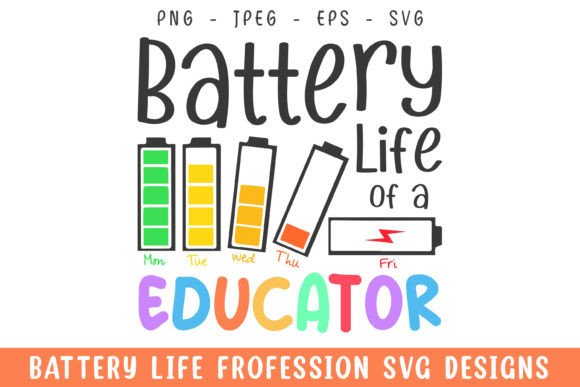
When you first load the Battery Life of a Educator Svg Design, the mood is immediately clear: it is relatable, slightly self-deprecating, and universally understood by anyone who has worked in a classroom. The humor lies in the visual metaphor of a battery icon, likely showing a low charge, paired with text that speaks directly to the exhaustion and dedication of teaching. For an embroidery project, the layout needs to be balanced. Since the description notes that the design is made with 100 vector shapes and is fully re-sizable, this suggests a clean construction without unnecessary node clutter. This is crucial for machine embroidery design workflows because cleaner vectors often translate to smoother digitization paths, reducing the risk of jagged edges or uneven fill stitch coverage.
The ability to easily change colors is a standout feature mentioned in the product details. Whether you are creating a dark t-shirt or a white one, or even moving beyond apparel to mugs, the flexibility here allows for significant creative control. In my experience, a design that adapts well to different color palettes becomes a versatile asset for a craft business. It means you aren't locked into a single aesthetic; you can tailor the thread colors to match seasonal trends or specific school colors, making the item feel more personalized.
Real-World Application: From File to Fabric
Let's imagine a real scenario. You are preparing a custom embroidered tote bag for a local teacher appreciation event. You have chosen a sturdy canvas material, which is perfect for holding detail. As you hoop the fabric and prepare the embroidery file, you consider the placement. A tote bag offers a large, flat surface, making it an ideal candidate for the Battery Life of a Educator Svg Design. The scale can be generous here, allowing the text to remain legible and the battery graphic to pop without looking cramped.
Now, shift the context to a sweatshirt. Sweatshirts present a different challenge due to the fabric texture. The looped back of fleece can sometimes cause issues with fine details. If the design includes tiny lettering within the battery percentage or small decorative elements, they might get lost in the pile of the fabric. However, because this design is described as having easy color changes and being vector-based, you can likely adjust the thickness of the lines or simplify certain elements during the digitization process to ensure the stitch density remains appropriate. The goal is to create a sweatshirt embroidery piece that looks professional, not like a messy attempt at a complex logo.
For those selling on Etsy or running a small shop product line, this design fits perfectly into the category of humorous, niche gifts. Teachers love gear that acknowledges their reality. An embroidered patch version of this design could be sewn onto a denim jacket or a backpack, adding a touch of personality to everyday items. The key is ensuring the backing stabilizer is strong enough to support the weight of the stitches, especially if you are using a dense fill stitch for the battery bar itself.
Navigating Technical Challenges and Limitations
While the potential is high, there are areas where caution is required. If you are attempting to use the Battery Life of a Educator Svg Design on curved surfaces like caps, the distortion of the fabric can warp the text. Always test the design on a scrap piece of similar fabric first. Check how the curves of the battery icon hold up when stitched over a dome. Additionally, thin or stretchy fabrics require a very light touch with the needle and stabilizer to prevent puckering. If the design is too dense, the fabric may gather around the stitching, ruining the look of the custom apparel.
Dark fabrics also demand attention. While the product description highlights the ease of changing colors, remember that black thread on a black shirt is invisible. You must select a contrasting color palette that ensures visibility. Sometimes, adding a layer of underlay or a satin stitch border can help define the edges against a dark background. Furthermore, if you are planning to sell these as personalized gifts, consider the washing durability. Designs with high stitch density on lightweight materials might crack or fade after repeated washes if not secured properly with the right adhesive or stabilizer.
Strategic Advice for Designers and Sellers
Before committing to a full production run, I strongly advise testing the design in black and white mockups. This helps you see the contrast and balance without the distraction of color. Compare how the design looks on both light and dark fabric backgrounds to determine which combinations offer the best visual appeal. For commercial embroidery projects, clarity is king. If the text is too small, customers won't read the joke, and the value of the product diminishes.
Always confirm the licensing terms before selling finished items or digital products. Even though the file is ready to use, understanding whether you can sell the physical goods versus reselling the digital file is essential for protecting your craft business. If you are an Etsy seller, transparency builds trust. Mentioning that the design was tested for quality and that you used high-grade thread and stabilizers adds value to your listing.
In conclusion, the Battery Life of a Educator Svg Design offers a strong foundation for creating engaging, humorous, and practical items. Its vector nature and color flexibility make it a robust tool for designers willing to put in the time to adapt it correctly for various substrates. Whether it ends up on a baby item, a holiday gift, or a boutique brand's merchandise, the success of the project depends on your attention to detail regarding hoop size, thread colors, and fabric compatibility. By treating this asset with professional care, you transform a simple graphic into a cherished handmade product that speaks directly to the heart of the educator community.